Why Not 50 Different National Health Services?
The NHS monopoly isn’t socialism—it’s stagnation. Energy comes from non-profit Dutch-style competition: universal hi-tech free care but chosen by patients. Fifty providers, one budget, your freedom. Competition without price-gouging insurance cartels, but with their ruthless efficiency.



Picture this: You wake up tomorrow morning and discover you can choose your healthcare provider just as you choose your energy supplier or your bank. Not private healthcare which costs a fortune. Not American-style insurance which bankrupts families. The same free healthcare you've always known—but now you don't have to put up with the dirty A&E you don't want to be forced to go to.
Fifty different NHS organisations competing for your loyalty. Your taxes still fund it all, but now you decide who delivers your care. The lazy monopoly which keeps you waiting six months for a routine operation? Gone. The indifferent reception staff who treat you like an inconvenience? They'll be learning customer service or finding new jobs.
The Monopoly Myth Dies Here
For decades, we've been sold a false choice: either we accept a creaking state monopoly or we embrace heartless American capitalism where diabetics die rationing insulin.
The Netherlands proved this false twenty years ago: they transformed their healthcare system into competing non-profit funds, and guess what happened? Waiting times plummeted. Patient satisfaction soared. Costs remained controlled. The Dutch didn't abandon their ideas of collective action —they weaponised competition to serve it.
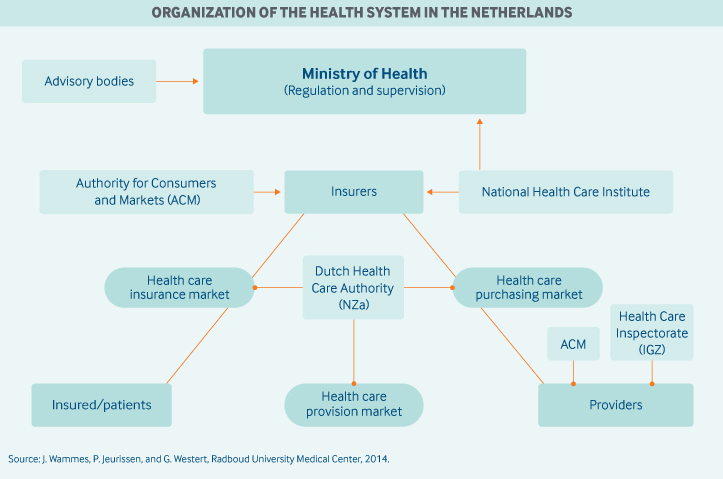
Market forces without profit maximisation create the best of both worlds. Competition drives excellence. Non-profit structures ensure every penny serves patients, not shareholders. The socialist dream of universal healthcare needs to meet the capitalist reality of competitive efficiency, where everybody wins.
Your Money, Your Choice, Your Power
Every January, a letter arrives. Inside, fifty healthcare enterprises pitch for your business. St Thomas's Healthcare Enterprise boasts the shortest A&E waiting times in London. The Northern Excellence Federation pioneered a revolutionary diabetes programme that's added ten years to average patient lifespans. Celtic Alliance offers seamless care whether you're in Edinburgh, Cardiff, or Belfast—perfect for your job which takes you across the UK.
You make your choice. Your annual healthcare allocation—let's call it £3,000 adjusted for your age and health needs—flows to your chosen provider. You never see a bill. You never fill out an insurance form. You just get care, free at the point of use, exactly as today. Except now, they're fighting for the privilege of serving you.
Don't like your choice? Switch next year. Had a terrible experience? Vote with your feet. The clinic with the rude receptionist and three-hour waits? They'll shape up or shut down.
The Magic of Non-Profit Competition
Watch what happens when fifty enterprises compete without shareholders to please. The Birmingham Innovation Trust develops an AI system which predicts heart attacks three years in advance—and instead of patenting it for profit, they share it nationwide to attract more customers. The Manchester Collective opens clinics in Tesco car parks, bringing healthcare to where people actually go. The Thames Valley Partnership guarantees same-day GP appointments or your money back—except you never paid in the first place.
Failing enterprises don't get bailouts from Westminster. They merge with successful ones or close their doors, their patients smoothly transitioning to better providers. The inefficient die. The excellent thrive. Darwin comes to the NHS, and mediocrity becomes extinct.
Meanwhile, rural Scotland doesn't get abandoned. Highland Health Guardians win exclusive contracts to serve remote areas, with extra funding recognising the challenge. They pioneer telemedicine, flying doctor services, and mobile clinics. Geographic monopolies exist where necessary, but even they face regular contract renewals based on performance.
Breaking the Chains of Geography
Your daughter moves to Glasgow for university. Under the old system, she'd register with a new GP, start from scratch, hope her medical records follow her eventually. In our new world? She keeps the same healthcare enterprise. They have clinics in Glasgow, or partner agreements with someone who does. Her doctor in London video-calls her in Scotland. Her prescription arrives at her door. Her care follows her, not the other way around.
You retire to the Cotswolds. Your spouse works in Manchester. Your elderly mother lives in Dover. One family, three locations, one seamless healthcare provider who knows your family's history and provides continuity wherever you are. Try getting that from a regional monopoly.
The Death of "Computer Says No"
Remember arguing with your energy company? Now imagine the conversation: "I'm switching to Thames Health next month." Suddenly, that MRI you've been waiting months for becomes available next week. That specialist referral mysteriously accelerates. That experimental treatment previously "not available in your area" appears on the menu.
Customer service becomes survival. The enterprise which treats patients like cattle loses thousands of customers and millions in revenue. The one that treats you like family grows, thrives, and expands. Bad doctors get managed out instead of shuffled around. Good doctors get poached by enterprises offering better working conditions—because happy doctors mean happy patients mean more customers.
The Socialist Paradise Through Capitalist Means
Here's what terrifies both old-school socialists and free-market fundamentalists: this kind of system is more socialist than the current NHS and more competitive than private healthcare. Universal coverage remains sacred. Ability to pay remains irrelevant. The profit incentive ("motive") remains banished. But competition—fierce, relentless, customer-focused competition—transforms everything else.
The wealthy can't buy better care because money doesn't enter the equation. The poor receive identical treatment because their allocated funds carry equal weight. A homeless person's £3,000 (adjusted for their likely health needs) spends exactly the same as a banker's £3,000. True equality, delivered through market mechanisms.
The current NHS spends billions on management consultants trying to improve efficiency. Our fifty enterprises figure it out themselves or perish. No McKinsey required. The market provides the discipline that Whitehall never could.
The Innovation Explosion
Fifty laboratories of innovation replace one lumbering bureaucracy. The Yorkshire Digital Health Enterprise develops an app that reduces GP visits by 40% through better self-care guidance. Patients flock to them. Others copy or perish. Within two years, every enterprise offers similar technology or better.
The London Academic Alliance partners with Imperial College, turning research into practice in months, not decades. They attract the young, educated demographic that values cutting-edge treatment. The Midlands Family Health Federation focuses on elderly care, creating dementia villages and pioneering ageing-in-place programmes. Different enterprises, different strengths, consumer choice driving excellence.
Prevention suddenly matters. Under the old monopoly, preventing illness meant less work—no incentive to bother. Under competition, keeping your customers healthy means they stay your customers. The Western Wellness Enterprise offers free gym membership, nutrition coaching, and mental health apps. Their customers live longer, healthier lives. Their costs plummet. They undercut competitors whilst offering superior service. The vicious cycle becomes virtuous.
Yes, But What About...?
"Cherry-picking!" scream the sceptics. "They'll only want healthy customers" Wrong. Risk-adjusted payments mean taking on a diabetic brings more money than signing up a marathon runner. Sophisticated algorithms ensure fair compensation for genuine need. Enterprises specialising in complex conditions receive appropriate funding. The Cancer Care Coalition becomes the go-to choice for oncology patients, developing expertise which attracts customers and appropriate payment.
"Marketing waste" cry the critics. Enterprises spending millions on advertising instead of care? Regulate it. Cap marketing spend at 2% of revenue. Standardise comparison websites. Let performance speak louder than promises. The best advertising becomes satisfied patient testimonials, not billboards.
"Fragmentation" wail the worriers. Fifty different systems which don't talk to each other? Mandate single electronic health records accessible to any provider you authorise. Your data follows you, not your provider. Standards ensure interoperability. The technology exists—monopoly bureaucracy prevented its implementation, not technical barriers.
The Morning After the Restoration
You wake up in Britain where healthcare anxiety has vanished. Not because some politician promised change, but because power shifted from Whitehall to your hands. Your provider knows losing your trust means losing your business. Your doctor knows healing you quickly means keeping you as a customer. Your local clinic knows word-of-mouth from satisfied patients beats any advertising campaign.
The NHS budget remains unchanged. Taxation stays identical. Free healthcare endures. But everything else transforms. Competition without capitalism. Markets without money. Choice without charges. The impossible triangle made possible.
Switzerland has multiple insurance providers. Germany has competing sickness funds. Japan has thousands of independent hospitals.
All achieve better outcomes than the NHS at similar cost. We could lead the world by combining their lessons with British innovation. Fifty non-profit enterprises competing to serve you better—the most radical conservative idea meets the most effective socialist principle.
Tomorrow, you could choose your healthcare like you choose everything else in your life—based on quality, convenience, and trust. The sacred cow of monopoly healthcare dies, but universal free healthcare lives stronger than ever. The restoration requires no barricades, no violence, no victims—just the radical idea you deserve choice in who provides your care.
The question isn't whether it would work. The question is whether we have the courage to demand it. But what would the Civil Service, trade unions, or diversity mafia get from any of that?