What Yet Another Disastrous Labour Government Has Cost Us
Labour is driving tax to the highest level on record, then telling you how much worse it could have been. Protected. Spared. Given space to breathe. Britain is being taught to thank its captors for whatever share of its own money it is allowed to keep.

Last month, John Healey rose to deliver his first Budget as Chancellor. Energy bills after government support were set to top the peak of the last energy crisis in real terms. The national debt was passing £3 trillion. Real pay was forecast to go nowhere for two years.
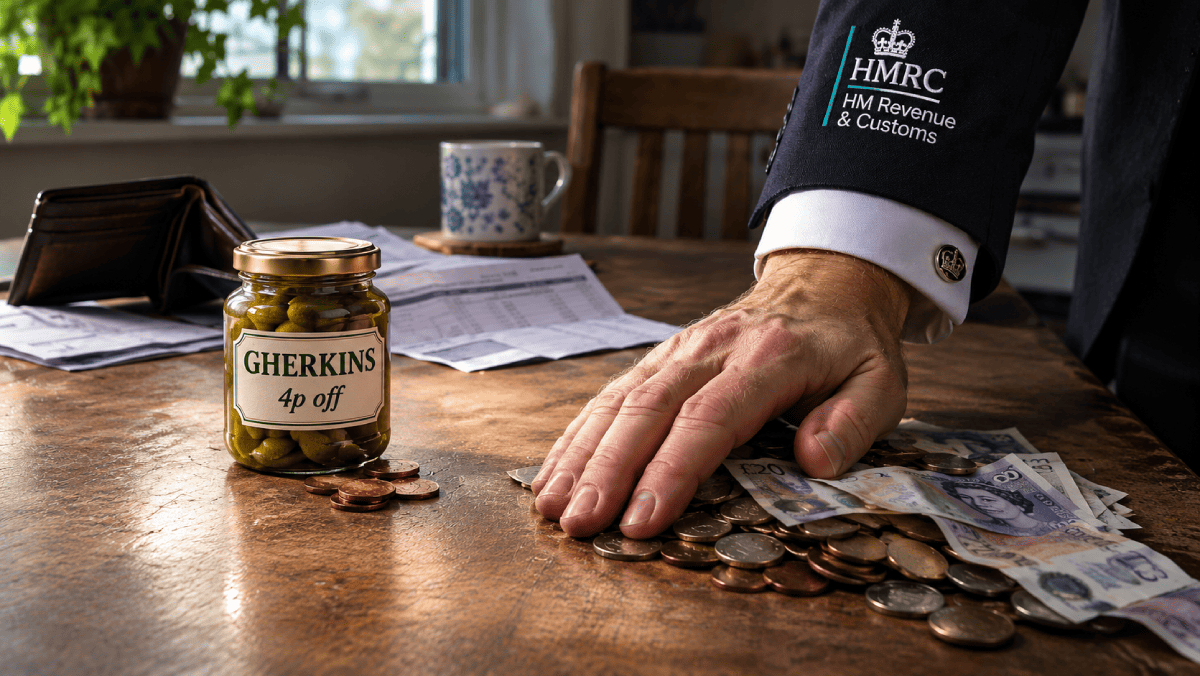
The Treasury surveyed all this, promised "breathing space", and took the import tariffs off gherkins.
Kemi Badenoch needed one sentence. The Prime Minister had promised to reverse 40 years of neoliberalism, she told the Commons. "Instead, we got 4p off gherkins."
The saving from the tariff cuts was put at about £21 a year for the average family, or 40p a week.
On the same afternoon, the Office for Budget Responsibility published forecasts showing the tax burden climbing to 38.6 per cent of GDP, the highest level since records began in 1948.
Labour's 2024 manifesto complained about a tax burden at a 70-year high.
It is now on course to smash the record it was complaining about.
The Budget document says it "rejects broad-based tax rises". In doing so, it goes on, it
....has protected most individuals and businesses from tax increases, giving them further space to breathe.
Space to breathe, from the people taking the air.
They Expect Gratitude For Not Taking More
Stockholm has given its name to hostages who come to thank their captors. Treasury ministers have started to rely on the effect. Rachel Reeves was "asking everyone to make a contribution". Keir Starmer agreed: "we have asked everybody to make a contribution."
A question can be refused.
Try refusing this "contribution" and see how long HMRC finds the conversation charming.
Ms Reeves then said she had kept the working person's share to "an absolute minimum". The absolute minimum came to £26 billion of tax rises and an all-time high in the tax burden.
Andy Burnham says he is giving families "as much breathing space as we possibly can", as if the supply of air were his to ration.
The method never varies.
The state decides what it wants. It announces, after much public agony, a sum slightly below the worst anyone had feared.
The gap between the rumour and the bill is then presented to the public as a gift, and the public is expected to feel relieved.
Often it does.
The relief is the whole trick.
Declining to take more is no kindness. A burglar who leaves the television has not made a donation.
Every pound left in a payslip belonged to the person who earned it before any minister had an opinion on the matter. Labour talks as if your income were public money, of which it has generously allowed you to retain a portion.
Each Chancellor searches for a pocket nobody has yet tried: the interest on a rainy-day account, the rent from a flat, the pension of a dead father, the mile driven in a car the state told you to buy.
The Budget calls this "modernising the tax system". The next Chancellor then races to the moral high ground, boasting of all the degrees he might have added and did not, and waits for applause.
Reeves Said the Freeze Would Hurt Workers, Then Extended It
The promise was simple enough for a child to follow. "Labour will not increase taxes on working people," the manifesto declared, ruling out rises in National Insurance, income tax, and VAT.
On 30th October 2024, Reeves showed MPs she understood exactly what a threshold freeze does. Extending it, she said, "would hurt working people and would take more money out of their pay slips." There would be, she promised, "no extension of the freeze in income tax and national insurance thresholds."
Thirteen months later, on 26th November 2025, she extended it to April 2031.
The freeze hurt no less in 2025 than it would have in 2024. Her Budget speech nonetheless ended with a claim to have kept every one of Labour's manifesto commitments.
Afterwards she conceded she was "asking ordinary people to pay a little bit more."
We always have to pay "a little more."
We always have to do "a little more".
Full Fact took a less sentimental view and rated the promise on taxes for working people Not Kept.
After two dozen times salami slicing "a little more," it's ends up as quite a lot more.
A threshold freeze is the coward's tax rise. No rate moves. No minister has to say the words. Wages rise to chase prices, the thresholds stay where they are, and the worker pays more tax on a pay rise which buys him nothing extra.
Rishi Sunak started it in 2021. Labour inherited it, denounced it, and adopted it.
By April 2031 the personal allowance will have sat at £12,570 for ten years. The OBR names rising income tax and National Insurance, especially with thresholds frozen, as the single largest driver of the record tax burden.
| Threshold | Frozen level | 2030-31 without |
|---|---|---|
| Personal allowance | £12,570 | £17,470 |
| Higher-rate threshold | £50,270 | £70,370 |
AJ Bell estimates the freeze will cost a basic-rate taxpayer £961 and a higher-rate taxpayer £4,808 in 2030-31 alone.
Rates once reserved for the prosperous will soon catch almost one taxpayer in four, or 10.8 million people by March 2031 on the IFS's reckoning.
Inflation has sweetened the deal for the Treasury. As pay rises to catch up with prices, it runs straight into the frozen thresholds. Since March, the OBR has added £8.5 billion to this year's income tax and National Insurance forecast, rising to £13.4 billion in 2030-31.
This is what the Treasury means by "protected".
His Budget raised no headline rate on a payslip, and the OBR report published beside it shows the tax take rising in every year of the forecast.
Everything Labour Has Raised, Cut, Or Announced Since July 2024
Protection, itemised.
Your Pay
| Measure | What changed | From |
|---|---|---|
| Employer National Insurance rate | 13.8% to 15% | 6th April 2025 |
| Employer National Insurance threshold | £9,100 to £5,000 | 6th April 2025 |
| Income tax and National Insurance thresholds | Freeze extended by three years, to April 2031 | April 2028 |
| Plan 2 student loan repayment threshold | Held at its 2026-27 level for three years | April 2027 |
| Homeworking expenses relief | Abolished for employees | 6th April 2026 |
| Salary-sacrificed pensions | National Insurance charged above £2,000 a year | 6th April 2029 |
Your Savings and Investments
| Measure | What changed | From |
|---|---|---|
| Tax on savings income | 20, 40, and 45% to 24, 44, and 49% | 6th April 2027 |
| Dividend tax | 8.75% to 10.75%, and 33.75% to 35.75% | 6th April 2026 |
| Capital gains tax | 10% and 20% to 18% and 24% | 30th October 2024 |
| Business Asset Disposal Relief rate | 10% to 14%, then 18% | April 2025 and April 2026 |
| Business Asset Disposal Relief lifetime limit | £1 million to £500,000 | 6th April 2027 |
| Investors' Relief | Rate raised to 18%, lifetime limit cut from £10 million to £1 million | October 2024 to April 2026 |
| Employee Ownership Trust relief | 100% to 50% of the gain | 26th November 2025 |
| Venture Capital Trust income tax relief | 30% to 20% | Announced November 2025 |
Your Home and Family
| Measure | What changed | From |
|---|---|---|
| Tax on rental income | 20, 40, and 45% to 24, 44, and 49% in England, Wales, and Northern Ireland | 6th April 2027 |
| Stamp duty surcharge on additional homes | 3% to 5% | 31st October 2024 |
| High Value Council Tax Surcharge | £2,500 to £7,500 a year on top of council tax, on English homes worth £2 million or more | April 2028 |
| Furnished Holiday Lettings regime | Abolished | April 2025 |
| Landlord registration fee | £65 a year per property in England | Confirmed October 2026 |
| VAT on energy-saving materials | 0% to 5% | 1st April 2027 |
| VAT on private school fees | 20% | 1st January 2025 |
| Business rates relief for private schools | Charitable relief removed in England | 1st April 2025 |
Your Car, Your Fuel, and Your Flight
| Measure | What changed | From |
|---|---|---|
| First-year Vehicle Excise Duty | Doubled for cars above 75g/km | 1st April 2025 |
| Vehicle Excise Duty | Uprated by RPI | 1st April 2027 |
| Fuel duty | 5p cut ends and rates rise with RPI | 1st July 2027 |
| Electric Vehicle Excise Duty | New charge of 3p a mile, or 1.5p for plug-in hybrids | April 2028 |
| Company car tax | Percentages rise a point a year, capped at 40% | Rising to 2030-31 |
| Minicab VAT | Larger operators to pay VAT on the full fare | Consultation under way |
| Air Passenger Duty | £2 more on short-haul economy seats, then RPI uprating | 2026-27, then April 2028 |
Your Drink, Your Smoke, Your Flutter, and Your Shopping
| Measure | What changed | From |
|---|---|---|
| Alcohol Duty | Up 3.9%: about 2p a pint, 10p to 12p a bottle of wine, and 35p a bottle of gin | 1st February 2027 |
| Tobacco duty | Rises by RPI plus 2% | Continuing |
| Vaping Products Duty | New duty of £2.20 per 10ml, a Conservative idea Labour was delighted to finish | 1st October 2026 |
| Soft Drinks Industry Levy | Rates rise to £2.25 and £3.01 per 10 litres | 1st April 2027 |
| Soft Drinks Industry Levy scope | Sugar threshold cut to 4.5g per 100ml, milk-drink exemption removed | 1st January 2028 |
| Remote Gaming Duty | 21% to 40% | April 2026 |
| Remote betting duty | New 25% rate, with UK horseracing left at 15% | April 2027 |
| Machine Games Duty | Higher-stakes rate raised from 20% to 25% | 1st April 2027 |
| Customs relief on low-value imports | Removed | Announced November 2025 |
Your Business
| Measure | What changed | From |
|---|---|---|
| Bank Corporation Tax Surcharge | 3% to 6% | 1st January 2027 to 31st March 2028 |
| Main-rate writing-down allowance | 18% to 14%, then 12% | April 2026 and April 2027 |
| Energy Profits Levy | 35% to 38%, main 29% allowance removed, extended to March 2030 | November 2024 |
| Oil and Gas Revenue Levy | New permanent 35% levy on exceptional revenues | By 1st April 2030 |
| Carried interest | Moved into the income tax regime | 6th April 2026 |
| Non-dom regime | Replaced with a residence-based system | 6th April 2025 |
| International Student Levy | £925 per student a year, with the first 220 free | 1st August 2028 |
Your Death
| Measure | What changed | From |
|---|---|---|
| Unused pension funds | Brought into inheritance tax | 6th April 2027 |
| Inheritance tax thresholds | Frozen to April 2031 | Continuing |
| Agricultural and Business Property Relief | Full relief capped at a combined £2.5 million per person, 50% above it | April 2026 |
| Qualifying AIM shares | Relief cut from 100% to 50% | 6th April 2026 |
Save carefully for a lifetime, and the Treasury will be at the funeral with a calculator.
Nobody pays all of it. Nobody needs to. A wage, a car, a pension, and a dead parent will get most families through a good part of the list.
Add up the Treasury's own scorecards for the three Budgets: £41.2 billion from the first, £26.1 billion from the second, and £5.8 billion from the third, all by 2029-30.
The total is about £73 billion a year.
Labour's manifesto costed its tax rises at £8.3 billion.
Voters were quoted one price and handed almost nine times the bill, and they are still being told how lucky they are.
Pensioners Got A Break, Cleaners Didn't
Ministers know precisely what the freeze does. Mr Healey proved it. From April 2027, the full new State Pension will reach about £13,036, rising above the personal allowance for the first time. Left alone, the freeze would have sent pensioners on the full amount a tax bill of £93.
Lifting the allowance for everyone was evidently out of the question. The Treasury invented a Pension Tax Allowance instead, available only above State Pension age.
A part-time cleaner on exactly the same money pays the £93, with National Insurance on top.
Same income, same frozen threshold, and a special rule for the people most likely to turn up at a polling station.
More Penalties For Hiring 1 Million NEETs
Ministers explained, with straight faces, why the rise in employer National Insurance broke no promise. One Treasury minister offered the immortal defence:
I don't think employers are working people.
The IFS regarded the rise as a breach of the manifesto anyway.
Anyone who has ever run a payroll knew where the money would come from.
The OBR now says it out loud: it expects firms to "pass on an increasing share" of the increase to workers rather than absorb it in profits. A tax on employment is paid in wages and in jobs.
The jobs went first.
UKHospitality says its sector has lost 100,000 of them in two years, in an industry providing 31 per cent of first jobs for people aged 16 to 24.
The Budget itself concedes almost one million young people are not in education, employment, or training.
A shift behind a bar is a small thing to a Cabinet minister. To a teenager, it is the start of a working life, and Labour put a tax on it.
Save A Little, Rent A Flat, Pay The State
In October 2024, Sir Keir described the people he had in mind as those who work hard and "maybe save a bit of money". The Treasury has now come for the "bit of money." A basic-rate saver whose interest passes the tax-free allowance will pay 24p in the pound instead of 20p, a rise of one fifth.
The Treasury's comfort: only 16 per cent of income taxpayers are affected.
One taxpayer in six is a generous definition of "only".
The rental rise has been sold as a raid on people who own property against Karl Marx's wishes. The OBR warned Mr Healey them who will pay: the measures risk "a steady rise in rents", as new landlords stay away and existing ones pass on the cost.
Tenants own no property, have no accountant, and will meet the bill all the same. Almost half of landlords said in May they planned to raise rents because of the first two-point rise.
The Treasury's civil servants have since doubled it, and Local Housing Allowance stays frozen.
The salary sacrifice change, which the IFS also counts as a breach, reaches for the people planning ahead. The mileage charge reaches for the drivers who bought electric cars at the state's urging.
Work, save, plan ahead, or do as you were told: the invoice arrives regardless.
Energy Bills Were Meant To Fall by £300
A month before the 2024 election, Sir Keir told voters the magic socialism of Great British Energy would save families up to £300 a year.
| Ofgem price cap | Average annual bill |
|---|---|
| July 2024, as Labour took office | £1,568 |
| October 2026 | £1,723 |
| OBR forecast peak, early 2027 | £1,875 |
Unsurprisingly, the IFS expects energy costs to rise by about £400 a household by next July.
The Budget's measures save the typical family about £140 over the same period. Mr Burnham calls this "real help".
The £100 payment is allocated using 35-year-old property valuations, and the Resolution Foundation finds the gap in support between poorer and richer households comes to less than £15.
The 0 per cent VAT on electricity runs out on 30th June 2027. The 5p fuel duty cut runs out the same day, and on 1st July rates go up with RPI.
The Treasury is lending households their own money for eight months and calling it breathing space.
Ministers will blame the war in Iran, and the OBR agrees energy prices and interest rates drove next year's growth downgrade.
The war did not write the manifesto. It did not freeze the thresholds or raise employer National Insurance. It did not put £111 on the average Band D council tax bill, taking it to £2,392. Of 153 social care councils, 124 raised bills by 4.99 per cent or more. Shropshire managed an average of 9 per cent.
Homeowners have their own treat coming: mortgage payments are forecast to reach 4.25 per cent of household disposable income by 2031, the highest share since 2009 and more than double the 2021 level.
What Is All This Money For?
Starmer said the "contribution" was to protect the NHS and improve schools. Reeves said the gap came from a downgrade to productivity forecasts. The OBR's tables give a plainer answer.
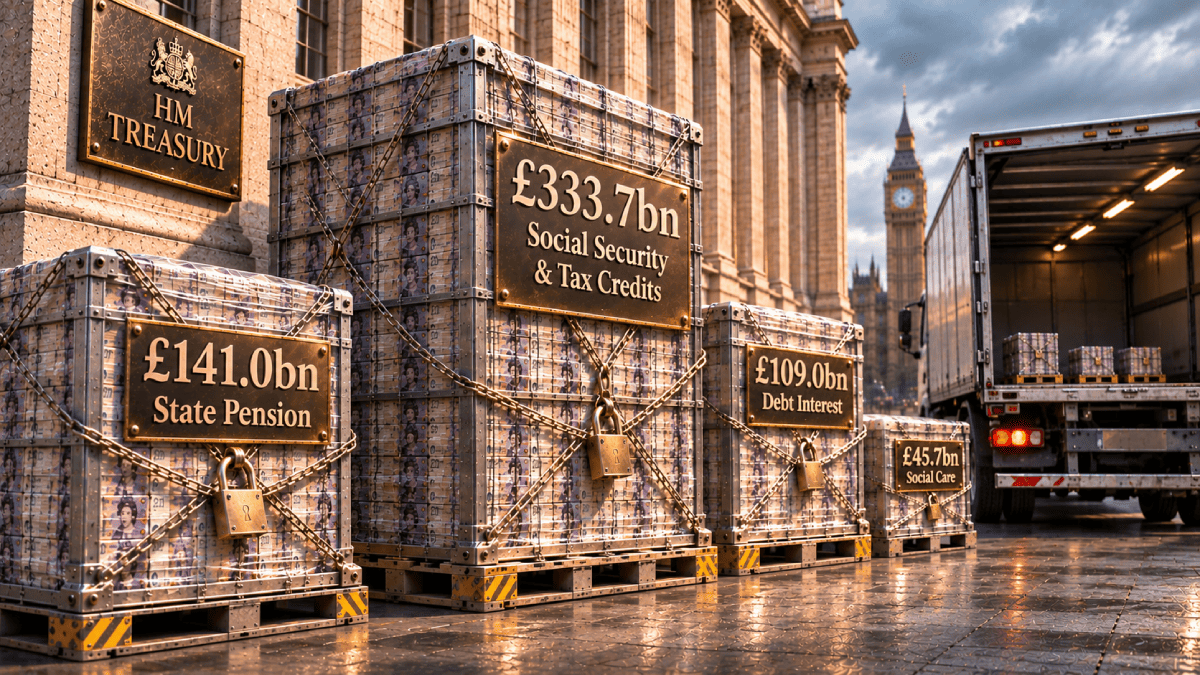
Total public spending is forecast to rise from £1,366 billion in 2025-26 to £1,638 billion in 2030-31. It will stay at between 44 and 46 per cent of GDP for ten years in a row, the longest such stretch since the Second World War.
In 1999-2000 it stood at 34.6 per cent.
The Treasury's document boasts of "the highest sustained level of public spending in four decades", and then wonders why the bill is high.
| OBR forecast | 2025-26 | 2031-32 |
|---|---|---|
| Tax burden (share of GDP) | 36.0% | 38.6% |
| Total welfare spending | £333.8bn | £431.3bn |
| Health and disability benefits | £85.6bn | £120.2bn |
| Debt interest | £108.7bn | £160.0bn |
The Centre for Social Justice has done the sum for the frozen thresholds. Stealth taxes on work are forecast to bring in an extra £33.1 billion a year by 2032. Rising benefit spending, by its reckoning, comes to about £33 billion, and will "swallow the entire increase".
Reeves, asked whether she raised taxes to pay for welfare, replied: "I don't accept that."
The numbers are available for inspection.
The incapacity caseload has grown from 2.5 million to 3.7 million since 2019-20, and the disability caseload from 4.7 million to 6.9 million.
The Budget which extended the freeze also scrapped the two-child limit at about £3 billion a year.
Reeves said she was not going to apologise. The worker dragged into a higher band was not offered an apology either.
For all this, the public gets Crown Court backlogs of around 80,000 cases, 860,000 open tribunal cases, a probation service short of 3,150 staff, and a rail minister who says every train in northern England is clapped out.
The record take has bought a state which fails at its duties and charges more each year for the failure.
Burnham boasts the IMF calls Britain the standout nation for deficit reduction.
The Resolution Foundation has explained the trick.
The improvement in the primary balance between 2023-24 and 2028-29 comes to £76 billion, and £107 billion of higher tax revenue more than accounts for all of it.
The Treasury then gave Whitehall a £9 billion top-up, twice the £4.4 billion they found for households.
The public will pay all of this from incomes going nowhere.
The Institute for Fiscal Studies says the 2020s are set to be the worst decade for real income growth since 1950.
The Resolution Foundation expects typical working-age incomes to gain just £600 across the whole Parliament, and those gains are already gone: from now until 2028-29, it forecasts a fall of £1,050.
Real disposable incomes rose by 28 per cent in the 1990s, 18 per cent in the 2000s, and 14 per cent in the 2010s.
For the 2020s, the think tank expects... 1.4 per cent.
Income per person in 2029-30 is forecast to stand just 1 per cent above its pre-pandemic level.
Ten years of a nation's working life, for 1 per cent.
David Miles of the OBR, according to The Telegraph, calls it a "dismal period in British economic history".
Cut The State Or Steal From Taxpayers
Tax at this level is a decision, and the alternative has always been available. Spending can fall. The Treasury has given its view on the matter. Benefit cuts, Healey told LBC, would be "crude" and a "pressure too far" with living costs as they are. Ten years of frozen thresholds, a record tax burden, and 24p in the pound on a saver's interest are evidently bearable.
Only the state's own budget is too delicate to be touched.
The welfare bill will fall, he says, "in a Labour way". Presumably he means... upwards.
Burnham is "working flat out".
Downing Street will not set "an arbitrary target or timetable". The forecast shows it rising in every year to 2031-32.
What about Whitehall itself?
Civil servants have found £595 million in extra administrative savings for 2029-30, a little under 4p in every £100 the state will spend in the year.
Mrs Badenoch has at least put a number on the alternative: £70 billion.
Nobody has to accept every cut on offer to see the point.
The room exists.
 Editor
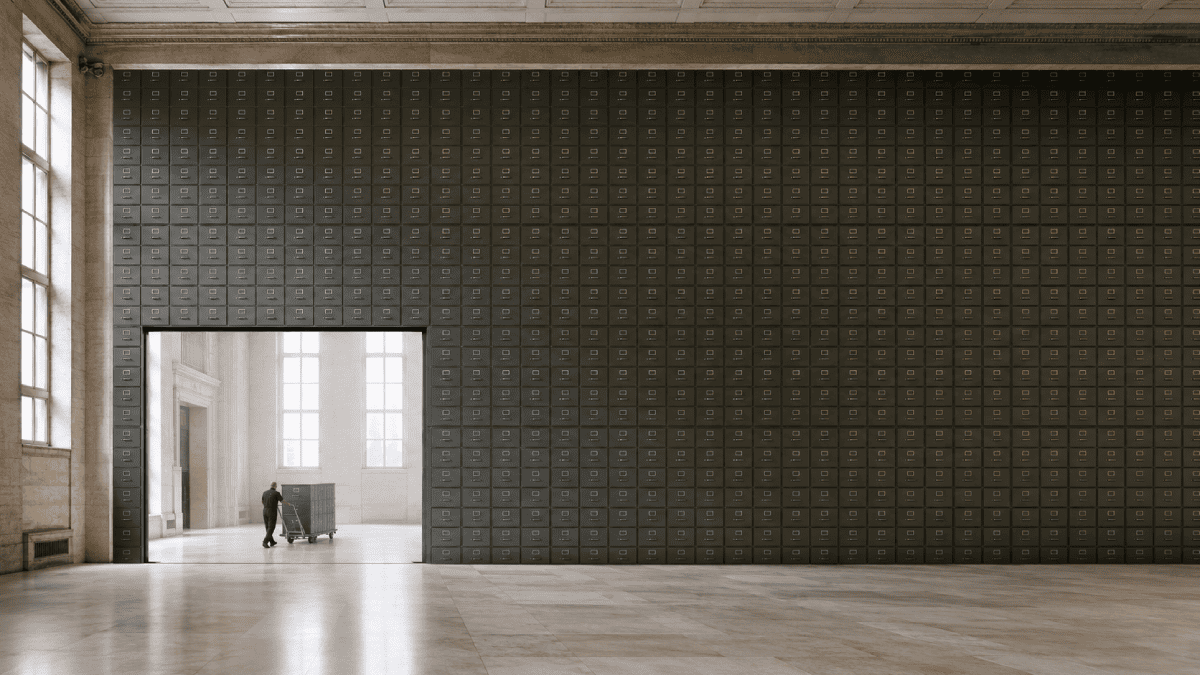
Labour has looked at it and sent you the bill instead, then asked to be congratulated for its restraint.
They Have Already Scheduled The Next Theft
The bill is not finished. the Treasury's borrowing plans rest on a sharp slowdown in departmental spending around 2030. Helen Miller, director of the IFS, put it drily:
History warns us to be sceptical of tight spending plans in later years of the forecast.
The OBR reckons spending would need to be £11 billion higher in 2031-32 just to stop unprotected services being cut in real terms.
The Resolution Foundation sees funding for 13 unprotected departments falling close to the post-austerity low.
Debt interest will be climbing all the while, and the OBR already warns a higher tax take raises the risk of constraining economic activity "by more than expected".
Labour MPs will not vote for cuts on the scale pencilled in.
The money will come from the people it always comes from, by whatever route requires the fewest announcements.
Labour has changed its Prime Minister and its Chancellor. The freeze remains. When the next bill arrives, somebody will explain how much larger it might have been.
On 23rd October, Burnham urged households to keep emergency supplies at home and disclosed his own stock of beans, soup, and Twiglets. He had storms and cyber attacks in mind.
Five days later his Chancellor took the tariffs off baked beans.
Two years ago, Labour told ordinary people their taxes would not rise. Then it asked them for a little bit more.
They have paid it on every payslip, every energy bill, and every council tax demand since.
Labour's thanks arrived on 28th October, in a jar. It would like yours in writing.